Common Transportation Errors at Events
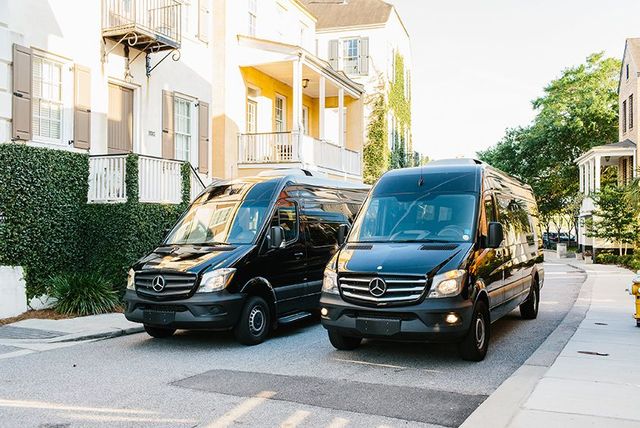
Every successful event begins long before the first guest arrives, and transportation plays a critical role in shaping that experience. From corporate gatherings to private celebrations, reliable and well-coordinated transportation sets the tone for professionalism, comfort, and confidence. Planners often overlook how travel affects punctuality, mood, and impressions. Minor mistakes in travel planning can create significant problems for timing and atmosphere. Recognizing pitfalls in transit planning enables organizers to act preventively. Smooth transportation quietly enhances overall event quality.
Lowcountry Valet understands how easily overlooked details can create unnecessary challenges. Extensive event experience highlights recurring pitfalls in transportation. These issues often stem from rushed planning, unclear communication, or unrealistic expectations. Early attention to transportation fosters a positive first impression for attendees. Thoughtful travel arrangements signal competence and organization. This guide explores the most common event transportation mistakes and how to avoid them effectively.
Underestimating Transportation Planning Time
Many organizers overlook the importance of early transit planning. Planners often think vehicle arrangements can be made at the last minute. Rushing the planning process can result in overlap, shortages, and stress. Beyond choosing vehicles, planners must consider timing, routes, and backup plans. Without adequate planning time, important elements are overlooked. A clear schedule ensures all aspects of transportation function seamlessly.
Adequate preparation creates leeway and lowers tension. It allows for adjustments based on guest numbers, itinerary changes, and special requirements. Last-minute arrangements restrict choices and force concessions. Proactive scheduling supports seamless coordination with staff and venues. Structured planning ensures information is shared clearly. Sufficient lead time safeguards the quality and professionalism of the event.
Neglecting Arrival and Departure Logistics
A common oversight is not considering arrival and exit timing. Many gatherings include multiple check-in times, transport groups, and different leaving times. Overlooking arrival and departure timing leads to overcrowding and disorder. Transportation plans must reflect realistic guest movement rather than idealized assumptions. Understanding these patterns helps in assigning vehicles appropriately. It also ensures that no guest feels neglected or rushed.
Predicting movement patterns enhances organization and minimizes idle periods. Clear schedules allow resources to be allocated efficiently. Strategic planning reduces downtime and increases efficiency. Careful planning improves security and order at key locations. Proper coordination prevents overcrowding and miscommunication. Well-managed arrivals and departures create a smooth and polished event.
Neglecting Stakeholder Communication
Poor coordination between planners, venues, and transport teams causes issues. All stakeholders should maintain consistent information sharing. Delayed messages often result in confusion and missteps. Errors in timing or location assignments create operational challenges. Clear communication establishes accountability and alignment. It also promotes faster problem resolution when unexpected situations arise.
Regular briefings and documented instructions are essential for operational clarity. click here They clarify roles and reduce confusion. Direct lines of contact support real-time problem-solving. Coordinated teams ensure transit works seamlessly with the overall event. Clear instructions foster credibility and operational consistency. Reliable communication enhances the event’s reputation and smooth operation.
Vehicle Selection Mistakes
Selecting the wrong vehicle type is a mistake that can undermine comfort and efficiency. Transportation needs vary according to event type and participant expectations. Mismatched vehicles create discomfort, delays, and frustration. Lowcountry Valet emphasizes the importance of matching vehicle features with event needs. Capacity, amenities, and layout must align with the purpose of the journey. Proper selection contributes to smooth and professional event logistics.
Choosing appropriate vehicles influences scheduling and organization. Larger groups require vehicles designed for efficient boarding and disembarking. Executive events may demand quiet, private environments for productivity and discussion. Social events are elevated with comfortable and impressive transportation. Assessing vehicle requirements ensures smooth operations. Thoughtful vehicle planning strengthens the overall impression of the event.
Neglecting Contingency Planning
Unexpected changes are inevitable in event management, yet many transportation plans lack flexibility. Weather shifts, schedule adjustments, and last-minute guest additions are common occurrences. Unplanned events can cause delays if no alternatives are in place. Strict schedules prevent effective responses to change. Anticipating potential disruptions enables smooth handling. Contingency measures reduce tension and maintain efficiency.
Contingency planning includes alternative routes, standby vehicles, and emergency communication protocols. Prepared systems let staff adjust quickly and effectively. Adaptive planning encourages team members to act decisively as needed. Being prepared keeps operations consistent under changing conditions. Contingency-ready transit safeguards the event’s flow. Being proactive signals high standards and operational trustworthiness.
Ignoring Passenger Experience
Focusing solely on logistics while ignoring guest comfort is a significant oversight. Travel arrangements create the initial and final experience of an event. Unpleasant transit experiences can affect overall perception. Comfortable seating, climate control, and smooth travel contribute to positive perceptions. Providing for guest needs reflects consideration and service quality. Guest-centered planning enhances overall satisfaction.
A positive transportation experience supports emotional engagement with the event. When guests feel relaxed and cared for, they arrive more receptive and energized. Neglected discomfort may negatively affect the event. Prioritizing comfort reduces complaints and distractions. Attendee satisfaction promotes timely and cooperative behavior. Careful transit planning reinforces the overall quality of the event.
Neglecting Staff Roles and Skills
Even the best transportation plan can fail without proper staff coordination. Drivers, dispatchers, and on-site coordinators must operate as a unified team. Lack of training leads to inconsistent service and miscommunication. Staff members should understand event schedules, guest priorities, and contingency procedures. Training ensures staff act decisively and professionally. Unified staff provide consistent and reliable service.
Regular practice reinforces excellence and professionalism. Training emphasizes service etiquette, attentiveness, and efficiency. Knowledgeable personnel identify and solve problems early. Defined hierarchies ensure roles and responsibilities are clear. When every team member understands their role, operations run smoothly. Effective teamwork improves the attendee experience.
Neglecting Post-Event Assessment
Many organizers overlook the importance of post-event evaluation. Once an event concludes, transportation performance is rarely analyzed in detail. Neglecting analysis hinders operational growth. Reviewing timelines, feedback, and operational challenges reveals valuable insights. Lowcountry Valet incorporates feedback to enhance ongoing excellence. Reflection transforms experience into expertise.
Evaluation after the event improves preparedness and efficiency. Analysis uncovers patterns and best practices. Keeping track of feedback supports long-term improvements. Transparent evaluation strengthens professional partnerships. Ongoing assessment reinforces service standards. Continuous improvement ensures better outcomes for future events.